Grooming Your Maine Coon Like A Pro: Seasonal Care, Tools And Coat Rescue Tricks
Grooming Your Maine Coon Like A Pro: Seasonal Care, Tools And Coat Rescue Tricks
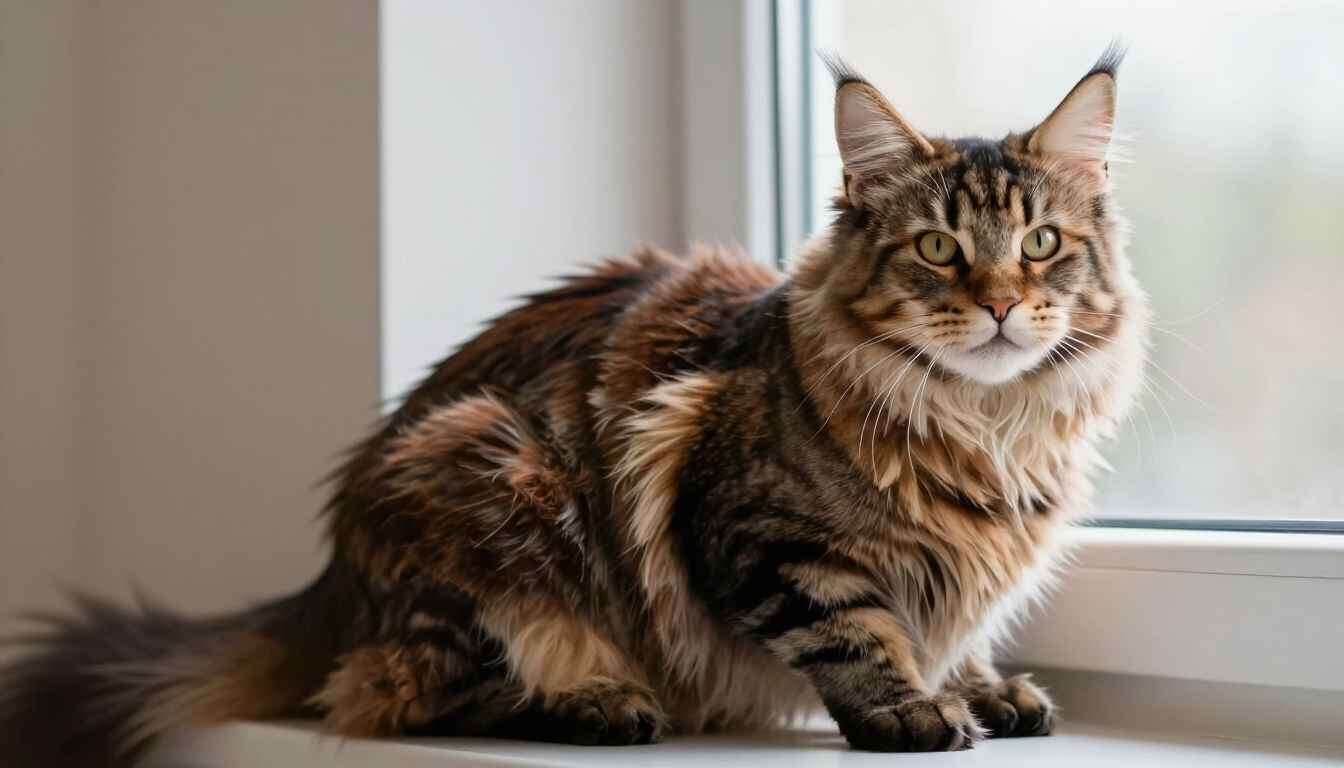
If you share your home with a Maine Coon, you already know that coat care is part of the love story. That glorious ruff, the breeches and the plume of a tail ask for gentle, regular attention, and in return you get a cat who is comfortable, glossy and happy to be cuddled.
At KleooKet, we raise kittens in our family home, handle them from the very first weeks and keep grooming soft, calm and predictable.
This guide gathers what we teach new families, with seasonal strategies, kind handling and practical tool tips so you can keep your Maine Coon comfortable all year.
What Grooming A Maine Coon Really Needs
Maine Coons have a semi-long, shaggy double coat that sheds lightly most of the year, then heavily during spring and autumn moults.
A simple weekly routine prevents tangles, keeps skin healthy and builds trust between you and your cat. In normal seasons, brushing once or twice a week is enough, focusing on the ruff, armpits, behind the ears, trousers and belly, and this increases to daily light brushing during moulting to lift dead undercoat and reduce hairballs.
Bathing occasionally, typically every three to four months, or timed to help a heavy moult, keeps the coat manageable, alongside nail trims every two to four weeks and ear and eye cleaning as needed, especially for white cats, using cat-safe products and gentle technique. Checking for parasites, lumps, sore spots or mats each session rounds out a proper routine.
With kind handling, Maine Coons are not difficult to groom. Start slowly, reward often and keep sessions short, and many cats learn to relax and even purr through it.
The Core Toolkit, Eco-Friendly Where You Can
Choosing tools that are gentle on skin and kind to the planet makes a real difference over time.
A wide-tooth comb suits the ruff and trousers, ideally stainless steel for glide and durability, while a medium comb with rotating teeth handles general work and light detangling.
A soft slicker with protected pins lifts undercoat without scratching, and an undercoat rake with rounded tips, used lightly, helps through moulting season.
Blunt-tipped safety scissors and a professional dematting tool handle stubborn knots, while microfibre towels, a low-noise dryer with a cool setting, and a plant-based, fragrance-free cat shampoo round out the essentials.
We prefer biodegradable wipes for ears and eyes, and natural rubber grooming gloves for sensitive areas.
Weekly Routine That Builds Trust
Keep the rhythm predictable. A quiet room, a non-slip mat and a handful of high-value treats go a long way toward a cat that genuinely enjoys the process. On the first day, five minutes combing the ruff and trousers followed by a slicker pass along the back and flanks works well, and a couple of days later, a quick two-minute check of the armpits, belly edge and behind the ears lifts any tiny knots before they grow.
Later in the week, a nail trim, ear and eye check, and a quick paw massage complete the cycle. End before your cat wants to leave so the memory stays positive.
If your Maine Coon is a kitten, start with 30 to 60 seconds and a single treat, adding time gradually, handling paws, opening the mouth briefly, touching ears and lifting the tail, then rewarding.
Early, gentle desensitisation makes adult grooming considerably more peaceful.
Moulting-Season Strategies
Spring and autumn sheds can feel endless, but small daily habits help enormously.
Quick daily slicker passes in the direction of growth, followed by a wide-tooth comb check for snags, keep things moving, and using an undercoat rake on flanks and trousers twice a week, very lightly, avoids overworking the same spot.
Adding a bath at the start of a heavy moult helps too, rinsing thoroughly and drying completely on cool air while combing through the coat. Extra hydration and a high animal-protein diet support new growth, and our feeding philosophy prioritises balanced, species-appropriate nutrition that often improves coat condition over time.
Bath Timing And Technique
Bathe every three to four months, or when the coat feels waxy, dusty or heavily shedding. Brush out loose hair before water touches the coat, use lukewarm water and a dilute cat shampoo, and rinse until the water runs perfectly clear.
Press-dry with towels, then finish with cool air while combing to prevent post-bath tangles. Keep baths short for kittens, and always warm the room beforehand so the whole experience stays comfortable.
Detangling Mats Without Drama
Tackling knots early is the kindest approach. Start with a spritz of coat-safe detangler or a touch of coconut-derived conditioner diluted in water, then place a comb flat between the skin and the mat to protect the skin underneath. Tease the outer edges of the mat with a rotating-tooth comb, working from the ends toward the base, and for a stubborn knot in the armpits or trousers, use a dematting tool with tiny, upward strokes.
If it will not budge, snip parallel to hair growth with blunt-tipped scissors, taking off only the mat itself. Never cut across a mat at skin level, and if the coat is felted or your cat is distressed, book a professional groom instead.
Ear And Eye Care, Especially For White Coats
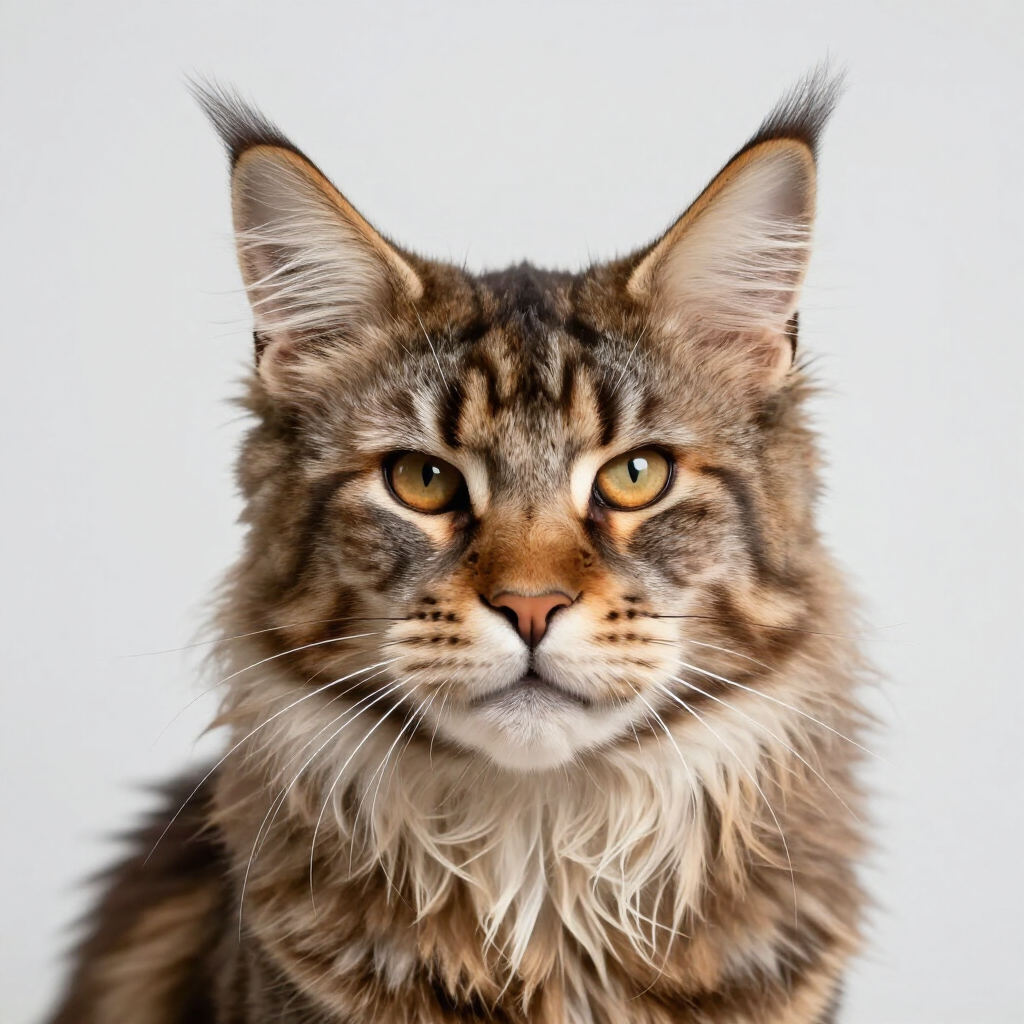
White Maine Coons can show tear staining or yellowing more visibly than other colours. Wipe eyes daily or as needed with boiled-cooled water or pet-safe saline on a soft pad, always wiping outward and using one pad per eye.
Check ears weekly, cleaning only the visible outer ear with a vet-approved cleaner on cotton pads, never cotton buds inside the canal. A white-coat shampoo can brighten without bleaching when bathing, provided you rinse thoroughly afterward.
It is also worth avoiding copper- or iodine-heavy supplements and pigment-rich foods that can influence coat tone, since balanced, high animal-protein diets typically support a clear, bright coat instead.
Nail Care And Paw Manners
Trim tips every two to four weeks. Press the toe pad to extend the claw, clip only the clear hook, and avoid the pink quick entirely.
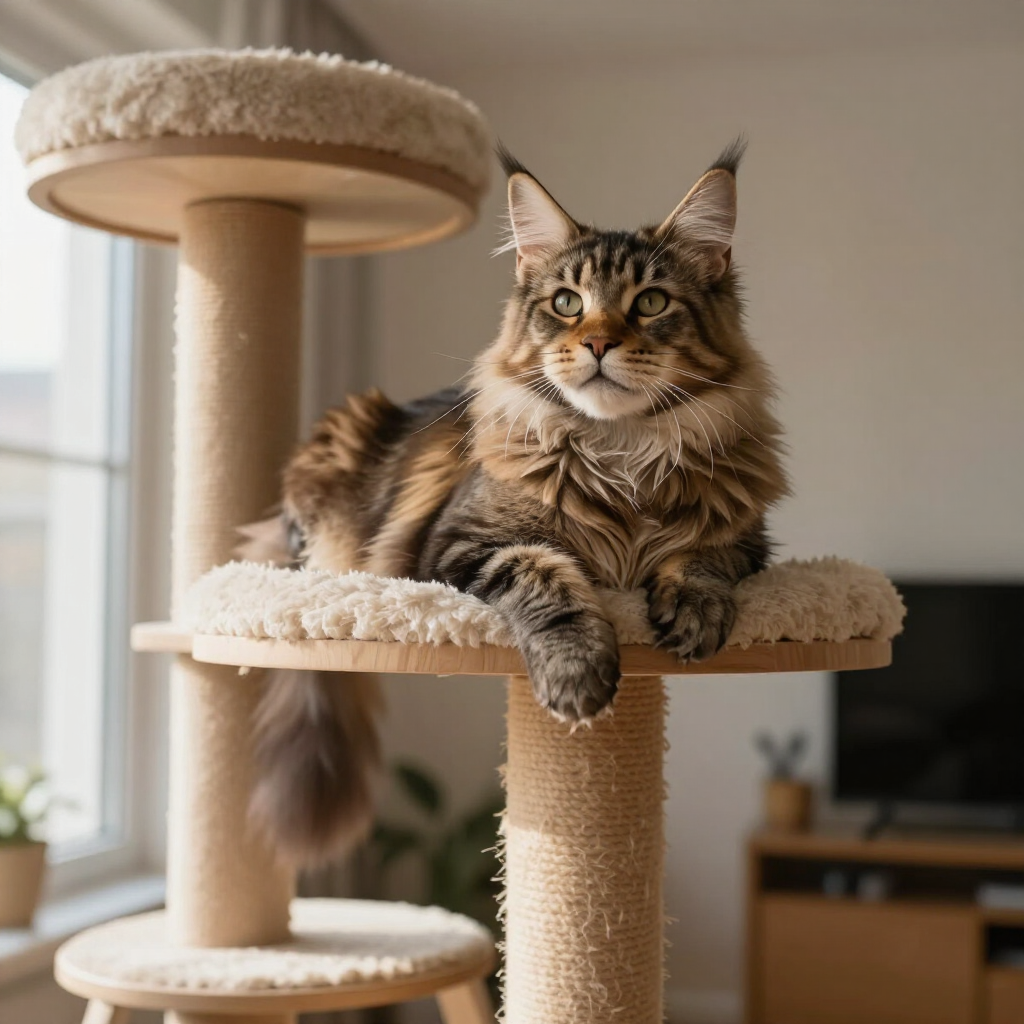
For black nails, take tiny slivers and stop at the first sign of a central dot, rewarding every paw as you go. Providing tall, sturdy scratching posts keeps nails healthy between trims and gives your cat a natural outlet as well.
When To See A Groomer
Book a professional groom when mats are close to the skin or cover large areas, when your cat resists handling despite slow practice, when you need a sanitary trim for hygiene or medical reasons, or when post-surgery or joint pain makes home handling unsafe.
Choose a feline-experienced groomer who uses low-stress techniques. If you are also considering future family members and want support from registered Maine Coon breeders who prioritise welfare and aftercare, our cattery pages explain how we raise and support kittens, and how we handle early grooming from kittenhood onward.
With calm hands, the right tools and a steady routine, grooming becomes a shared language of care. Explore our Maine Coon cattery homepage if you are preparing for a future kitten and want to see how we raise and handle little ones from the start.
FAQ
What grooming does a Maine Coon need?
Weekly brushing in normal seasons, daily help during moults, occasional baths every three to four months, routine ear and eye care, regular nail trims, and a quick skin check for parasites or mats at each session.
Are Maine Coons difficult to groom?
Typically no. With early, gentle handling and short, positive sessions started in kittenhood, most Maine Coons accept and even seem to enjoy the process rather than resisting it.
How often should a Maine Coon be groomed?
Brush once or twice weekly in normal seasons, increase to daily light sessions during moulting, and bathe every three to four months or as needed depending on how quickly the coat gets waxy or dusty.
How do I improve my Maine Coon's coat?
Combine regular, gentle grooming with a balanced, high animal-protein diet, good hydration, parasite control and play to reduce stress, since coat condition often reflects overall health rather than grooming alone.