
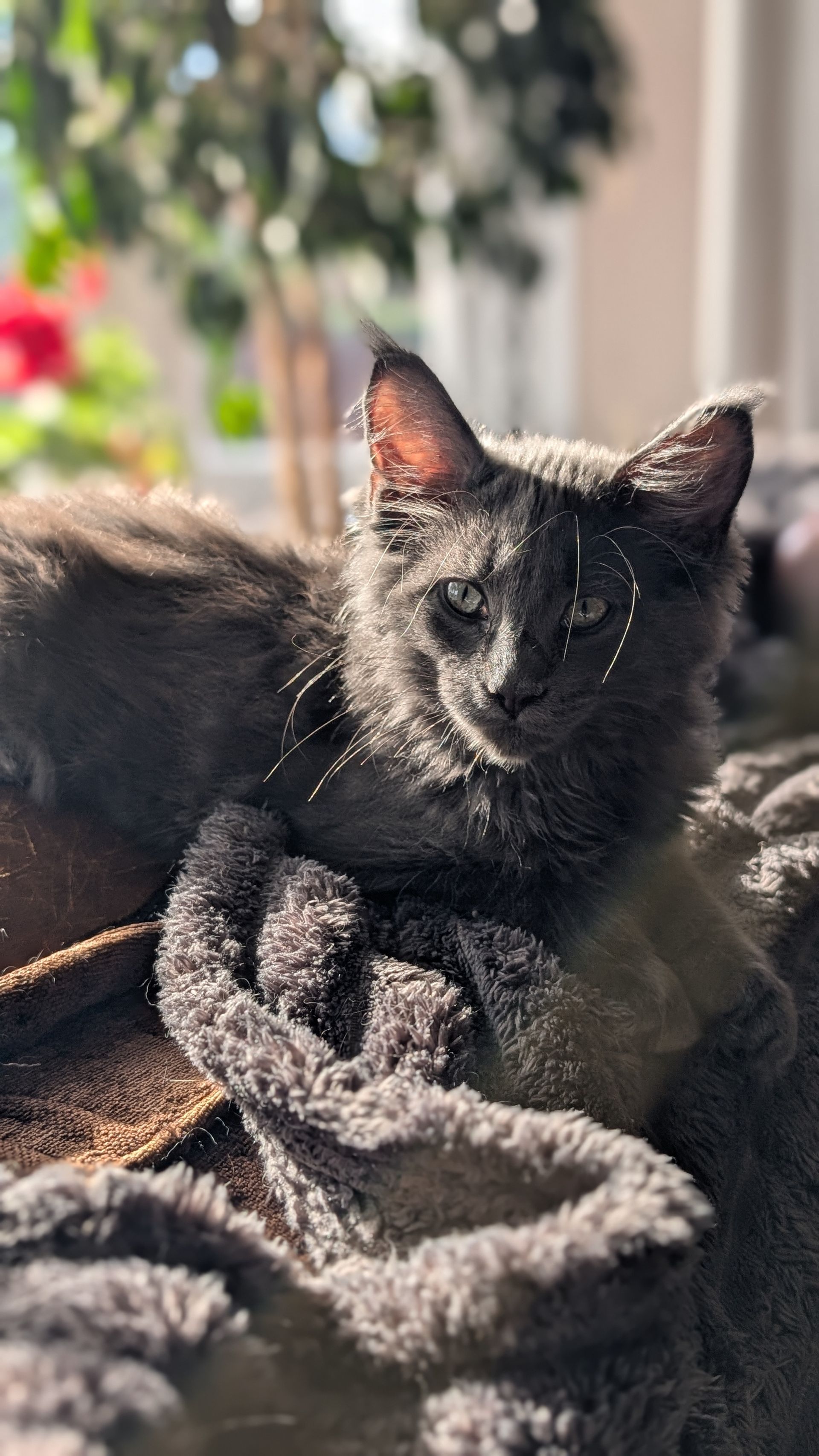
Learn how to groom a Maine Coon at home, from weekly routines and moulting-season strategies to detangling mats and choosing the right tools.
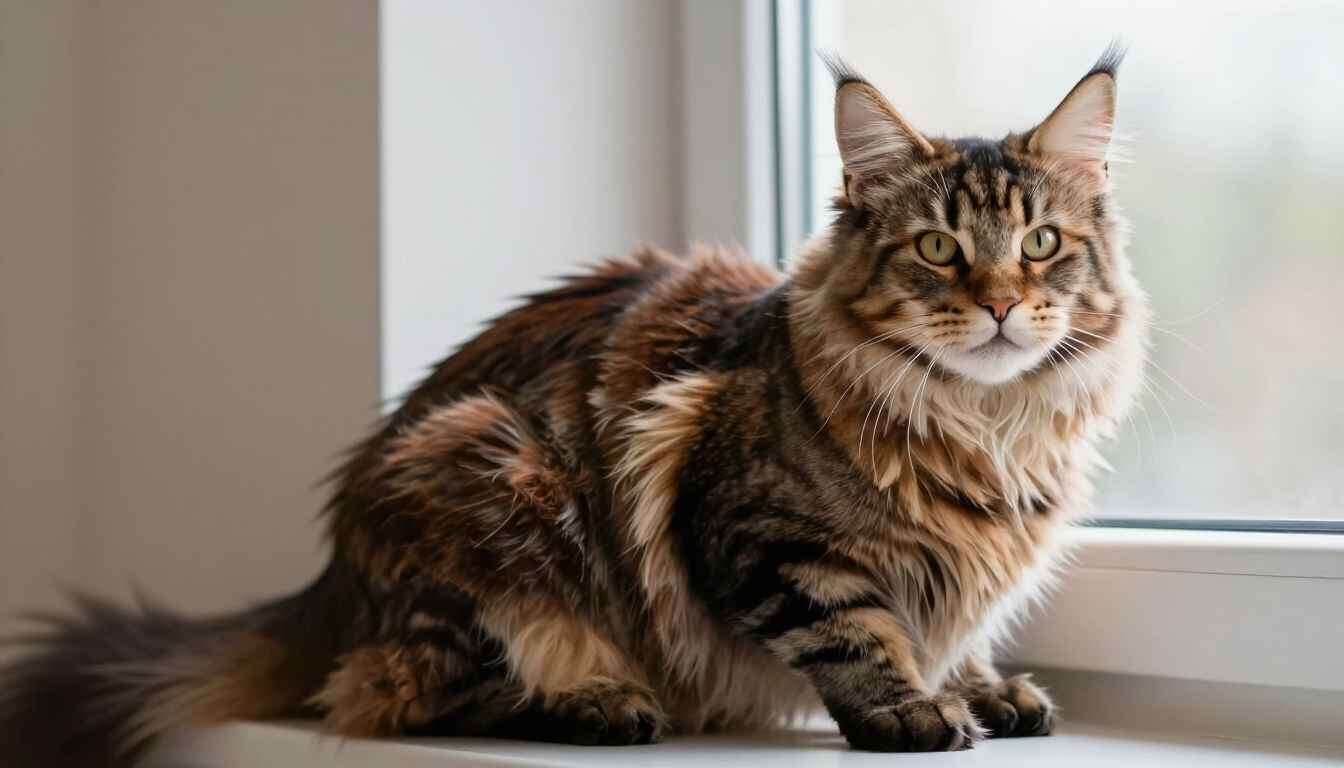
Why we feed our Maine Coons exclusively on a balanced raw meat diet, plus safe raw handling and portion control by age for lean, healthy growth.
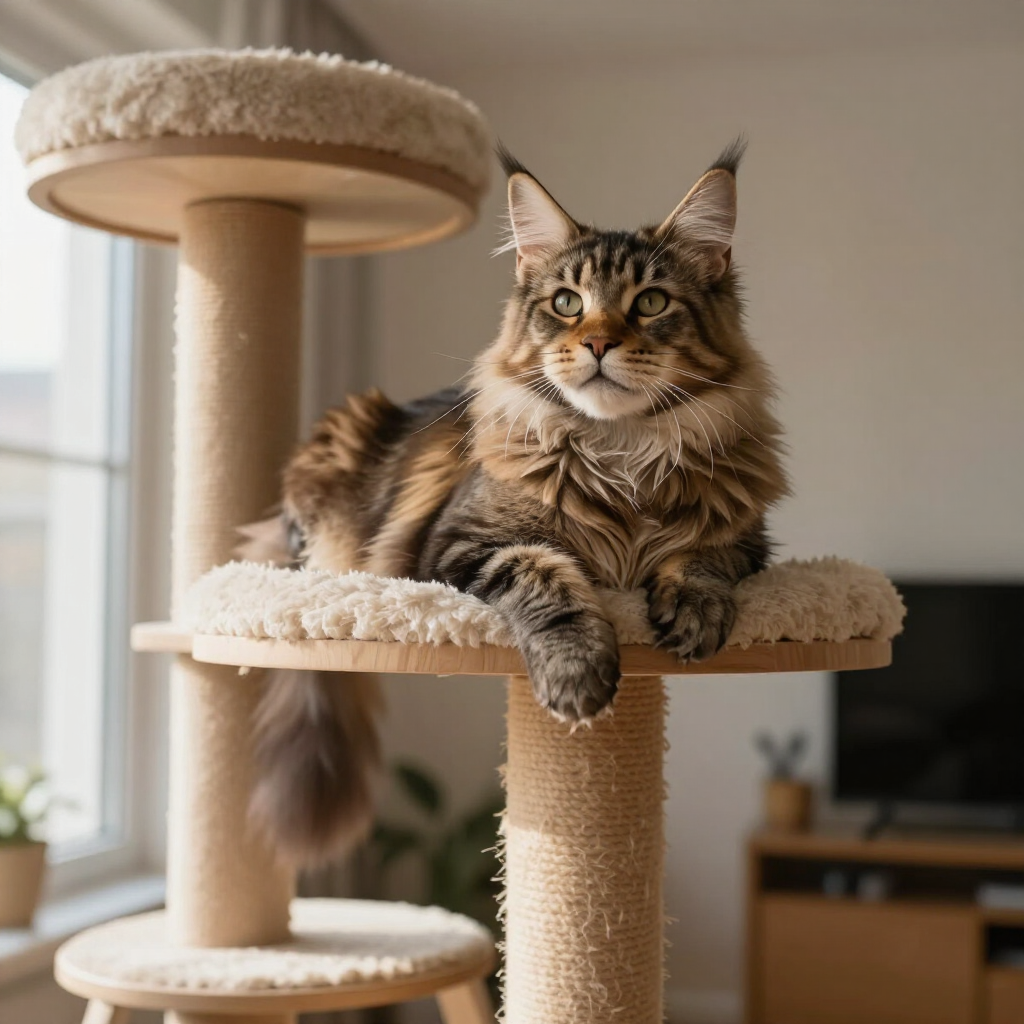
Discover how Maine Coons can thrive as indoor house cats with smart enrichment, vertical space, play routines and safe outdoor alternatives.
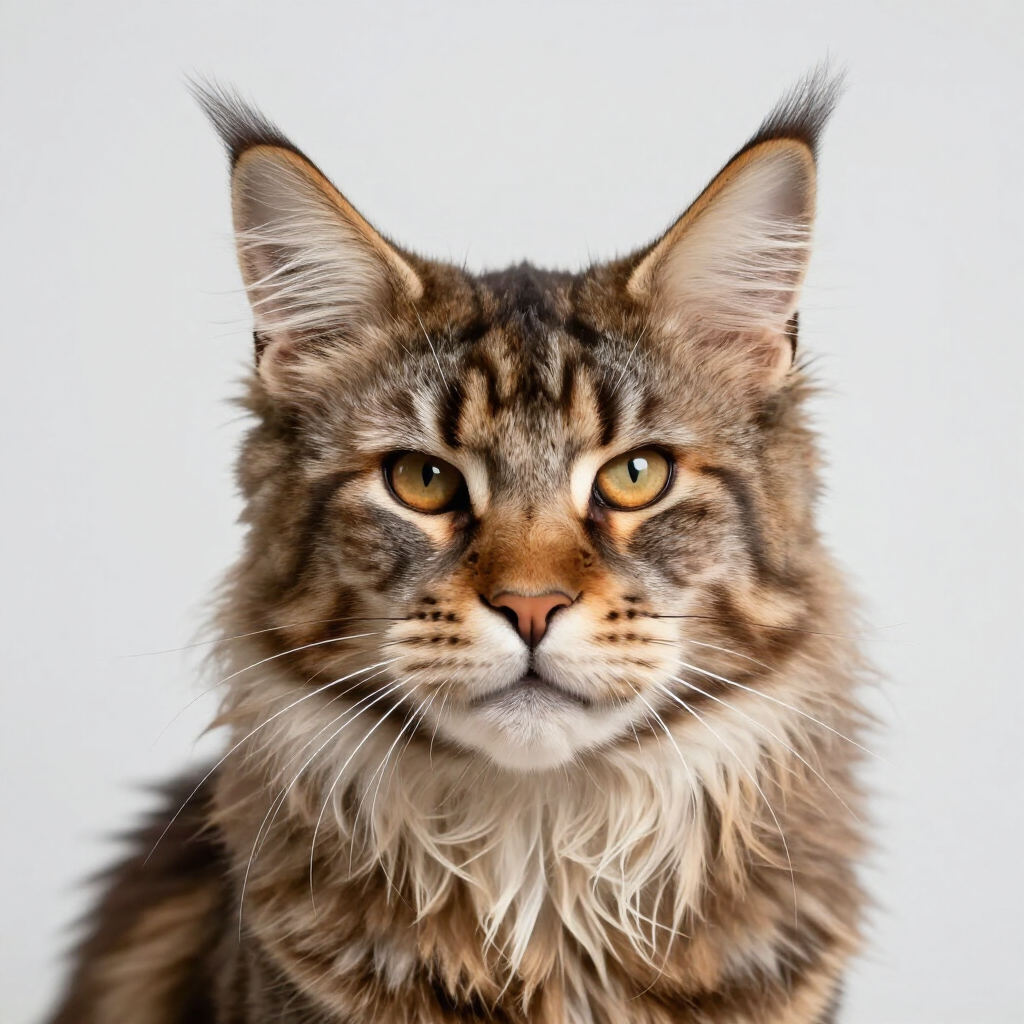
Learn how long Maine Coons live, common health risks, and daily care tips to help your cat enjoy a long, healthy life.
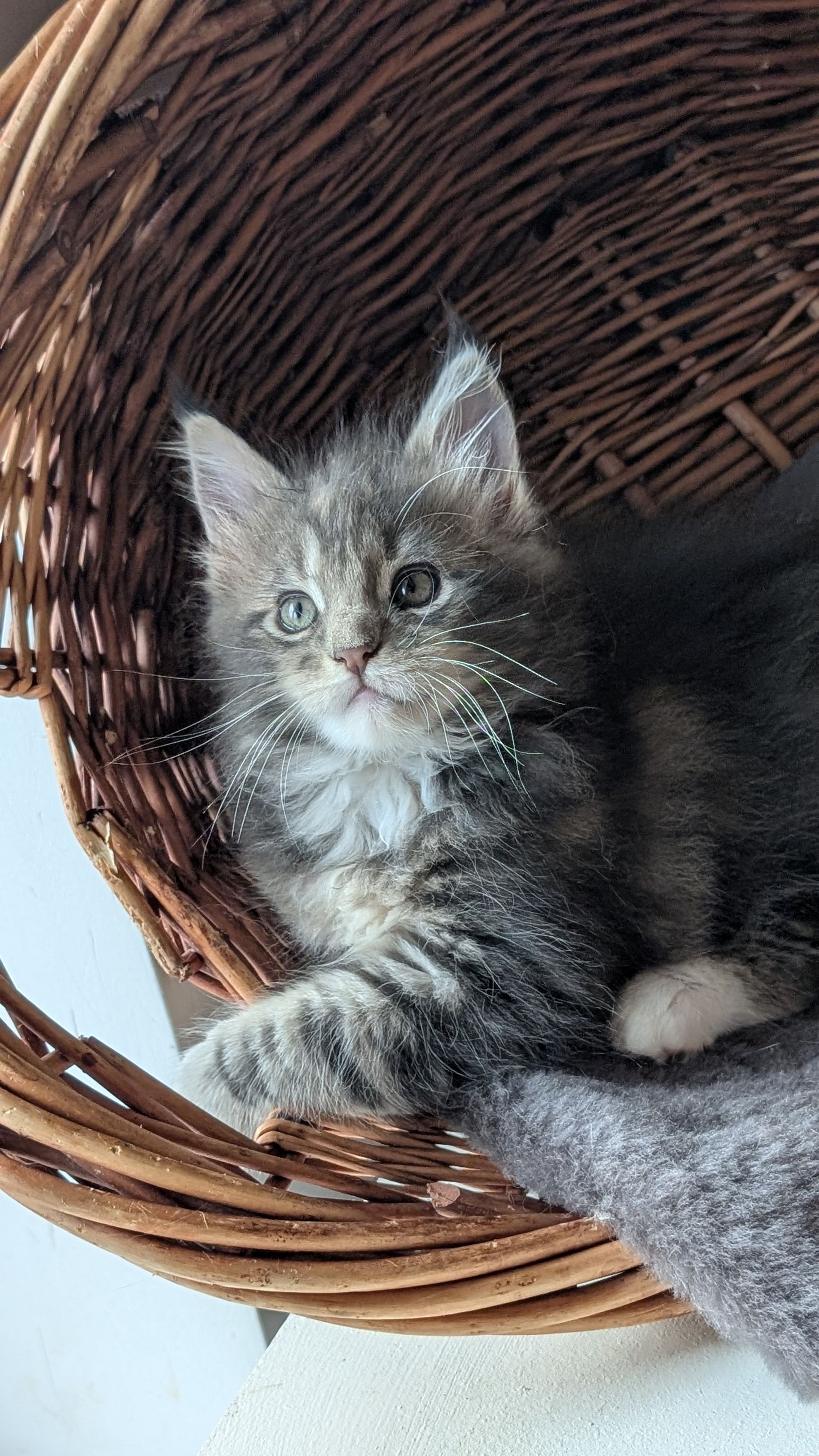
Learn how much Maine Coon kittens cost in the UK, what affects pricing, and how to choose reputable, ethical Maine Coon breeders with confidence.
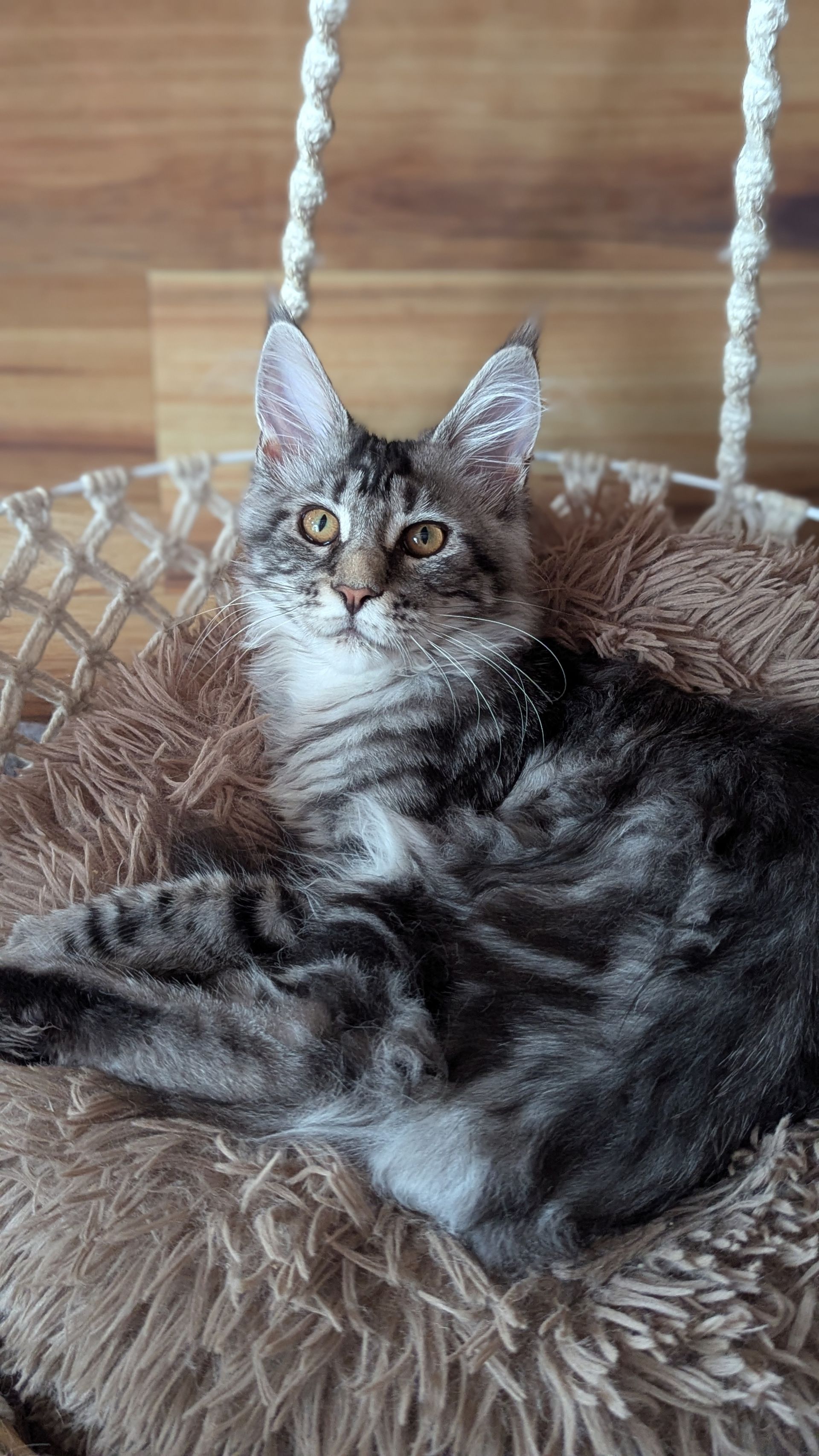
Explore our Maine Coon for sale at Kleooket UK. Discover trusted breeders, loving care, and find the perfect gentle giant for your family today.
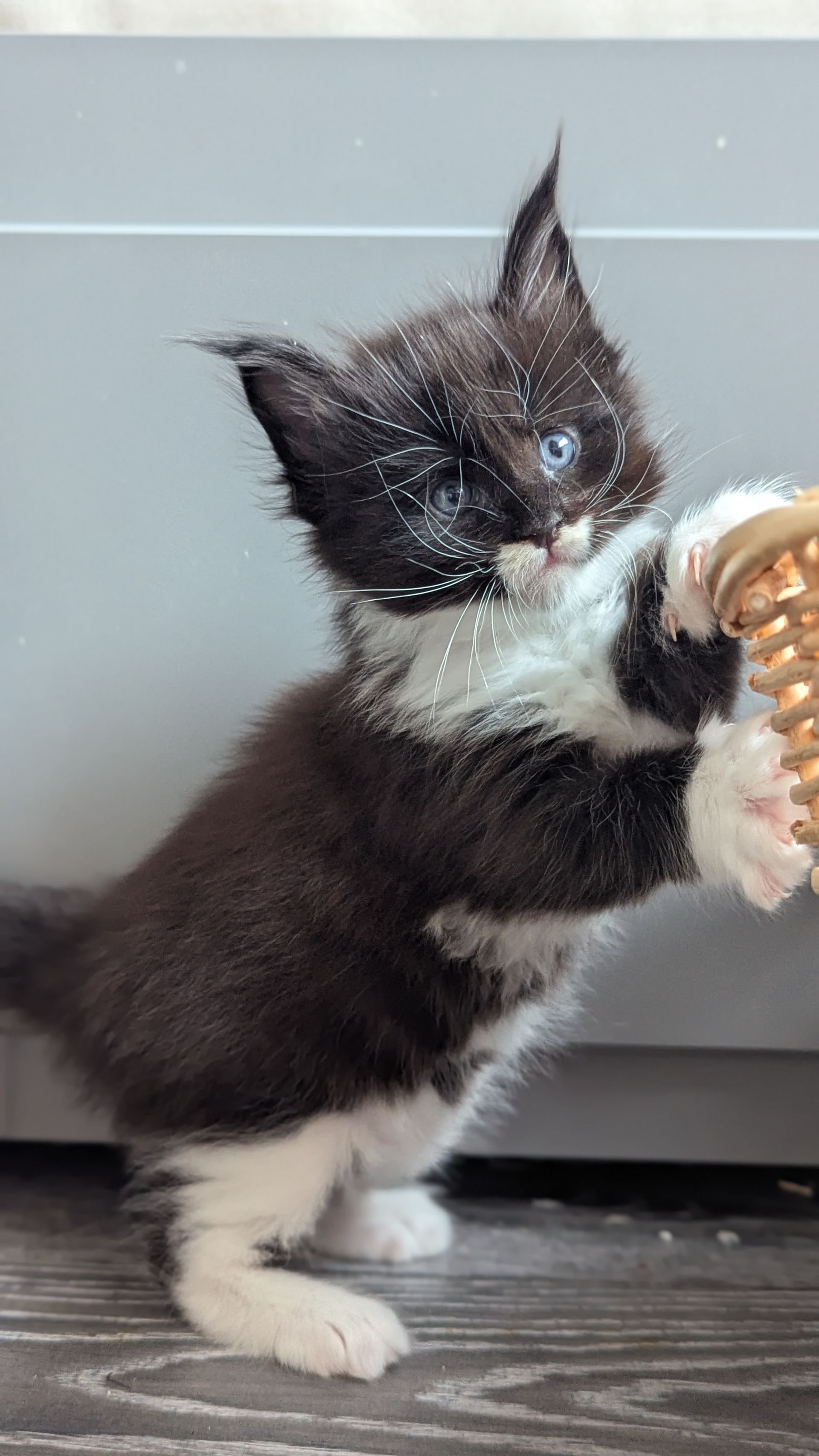
Find loving Maine Coon Kittens at Kleooket. Learn care, temperament, and how to
pick the perfect gentle giant for your home.
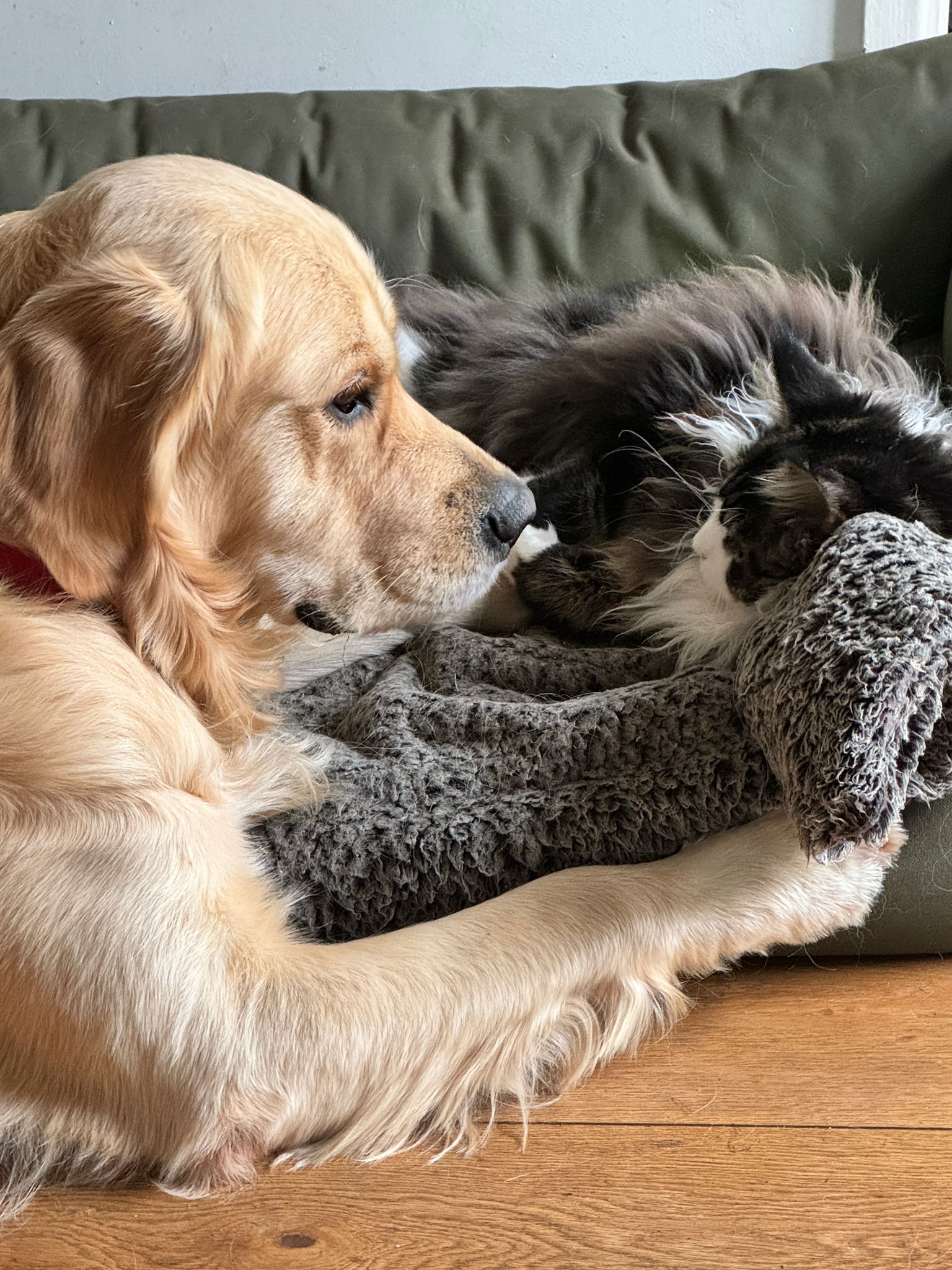
Discover how a Maine Coon cat can lower stress, lift mood and support heart health, while KleooKet’s ethical breeding nurtures calm, loving companions.
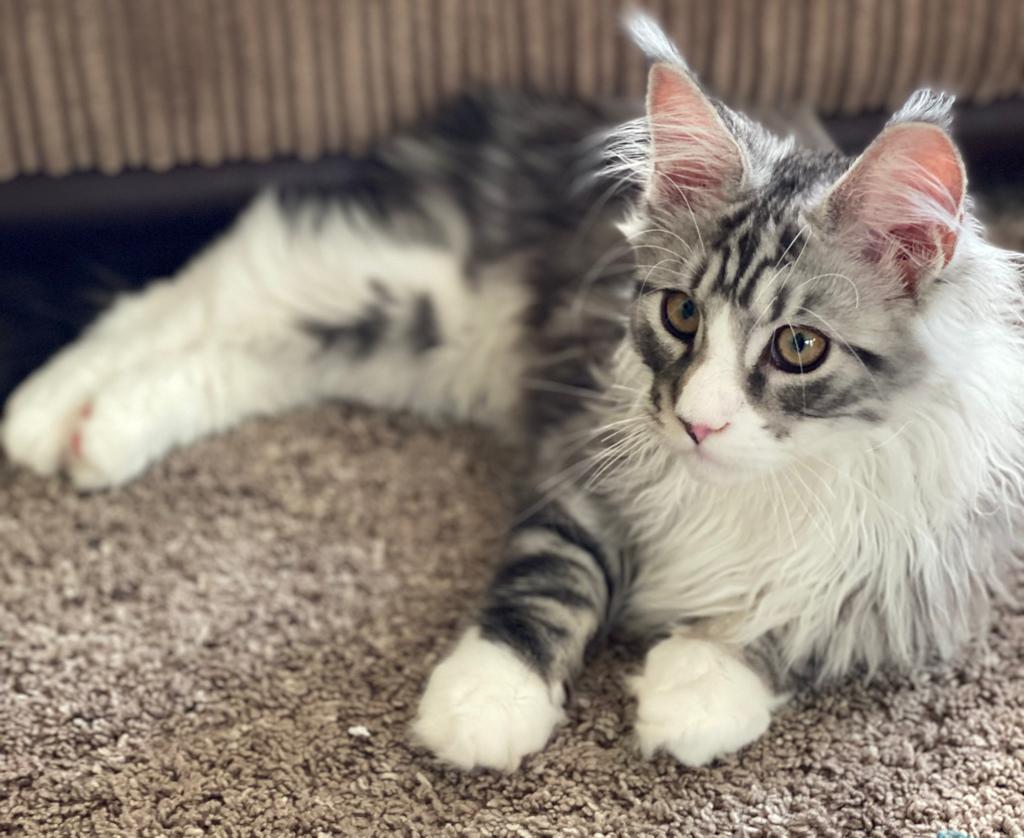
Cat allergy When a caring owner decides to get a cat, they plan several steps ahead. He chooses the breed, the sex, decides on the type of food, adds the nearest vet clinic to his contacts and makes a schedule of walks. However, there is a factor that is impossible to calculate, and that will manifest itself when the pet lives with you in the same house. Cat allergy! The source of the allergy In 95 % of all allergies to cats, a specific protein Fel d1, which is produced by the cat's body, causes the allergy. It can be found in urine, saliva, perspiration and sebum. Accordingly, it gets onto the fur and skin of the animals, as well as into the environment. Cats are known to lick themselves constantly, spreading the protein all over the body and coat, and during periods of skin and coat renewal all over the house. Apart from Fel d1, there are other proteins in the cat's body that can cause allergic reactions in humans - about 10 in total, but it is Fel d1 that is the main enemy. It is not the cat that causes the reaction, but its accessories - the cat's food, shampoo or litter - that can do the trick. Pets that walk in the open air may spread plant pollen or mould , which are very allergenic A cat may transmit an infection to the owner (shingles, scabies mites), which causes symptoms similar to those of allergy. Therefore, you should not attempt to diagnose yourself, but rather see a doctor. Your doctor will then prescribe diagnosis (skin tests or blood tests), which will determine the exact cause of the allergic reaction. Myths about the hypoallergenic breed All cats, without exception, produce the Fel d1 protein, and therefore there are no allergy-free breeds in nature. Sphynxes are often considered as hypoallergenic breeds logically because they have no or almost no fur, as well as Siberian cats, Neva Masquerades, Russian blue cats, Devon rex and Cornish rex... This is marketing and has nothing to do with the real situation: any breed of cat, as well as a mestiza or non-breed cat, can cause allergy just because it produces the same protein. Allergy symptoms The symptoms may vary from person to person, and vary in severity. The most common manifestation of an allergic reaction is - Nasal congestion and/or runny nose - Cough, sneezing - Nasopharyngeal itching/burning/swelling - Inflammation, swelling of the eyes, lacrimation Direct skin contact may cause: - Itching and burning sensation - Irritation and dryness - Rash/redness If the allergen enters the stomach - as often happens in children - it may cause a reaction in the form of - Nausea - Stomach pain How to reduce the level of allergens Special shampoo and regular water procedures. There are products available to reduce the level of allergens on the pet's body. And once a week, a scheduled bath Cat's eyes should be wiped and ears cleaned, because mucus secretions contain allergens. Long-haired breeds need to be brushed frequently. Have the pet bathed and brushed by an allergy-free family member. Clean the litter box daily. Toilet litter. Cat urine contains many allergens, so if the litter does not absorb the liquid, it will spread to the feet and spread around the house in a few cat bounces. Do not allow pets to lie on your things. Keep pets away from your bed where you sleep. Try to damp clean your house more often and wipe dust off all surfaces. Air. You can buy an air purifier that will reduce the amount of protein in the flat air. Proper houses. Soft toys, plush cushions and steps work like carpets - absorbing and retaining hair and squirrel allergens. Health. Take your pet to the vet regularly to have his bowel and urinary system checked. Problems with the organs can lead to severe allergen excretion. Neutered or spayed cats and kittens produce fewer allergens. Can one get used to being allergic to animals? Such cases do occur and the symptoms do disappear. Studies show that if a cat was brought into the home before the child, the likelihood of the child developing cat allergy is reduced, since the animal protein was already present in the home long before the child did. Parents often isolate animals when the baby arrives, but doctors advise against this. Excessive sterility, on the other hand, can provoke a highly sensitive child's immune system, as the child will still have to come into contact with the outside world, where there are not only pets, but strange animals running around as well. Аллергия на кота. Когда заботливый хозяин решает завести кота, он просчитывает этот план на несколько шагов вперед. Выбирает породу, пол, определяется с типом питания, добавляет в контакты ближайшую ветклинику и составляет график прогулок. Однако есть фактор, который невозможно просчитать, и который проявится, когда животное будет жить с вами в одном доме. Аллергия на кота! Источник алергии В 95% случаев аллергию на кошек вызывает специфический белок Fel d1, который вырабатываеться организмом кошек. Он есть в моче, слюне, поту и кожанном сале. Соответственно, попадает на шерсть и кожу животных, а также в окружающую среду. Кошки, как известно, постоянно вылизываются, распространяя белок по всей поверхности тела и шерсти, а в периоды обновления кожного и шерстяного покровов — по всему дому. Кроме Fel d1, в организме кошки есть и другие белки, которые могут вызывать аллергические реакции у человека — всего около 10, но основной враг — именно Fel d1. Реакцию может вызвать не питомец, а его принадлежности: корм, шампунь, наполнитель для туалета Животные, которые гуляют на улице, могут принести на шерстке частички пыльцы растений или плесени, которые являются сильными аллергенами Кот может заразить хозяина инфекцией (лишай, чесоточный клещ), которая вызывает схожие с аллергией симптомы Поэтому не стоит заниматься самодиагностикой, а лучше обратиться к врачу. Он назначит диагностику (кожные пробы или анализ крови), которая точно определит причину аллергической реакции. Мифы об гипоаллергенной породе. Все кошки без исключения вырабатывают белок Fel d1, поэтому пород, не вызывающих аллергию, в природе нет. К гипоаллергенным породам часто причисляют сфинксов по той логике, что они лишены или почти лишены шерсти, а также сибирских, невских маскарадных, русских голубых кошек, девон-рексов и корниш-рексов... Это маркетинг, не имеющий ничего общего с реальным положением: представитель любой кошачьей породы, как и метис или беспородная кошка, может стать причиной аллергии просто потому, что выделяет тот самый белок. Симптомы проявления алергии. У разных людей могут проявляться разные симптомы и с разной силой. Чаще всего аллергическая реакция проявляется в виде: Заложенности носа и/или насморка Кашля, чихани Зуда/жжения/отека носоглотки Воспаление, отечность глаз, слезотечение При непосредственном контакте на коже может возникнуть: Зуд и жжение Раздражение и сухость Сыпь/покраснения Если аллерген попал в желудок, что часто бывает у детей, реакция появляется в виде: Тошноты Боли в желудке Как снизить уровень алергенов Специальный шампунь и регулярные водные процедуры. Существуют средства, которые снижают количество аллергенов на теле животного. И раз в неделю - ванна по расписанию Глазки кошке необходимо протирать, а ушки чистить, потому что в слизистых выделениях присутствуют аллергены. Кошек длинношёрстных пород нужно часто вычёсывать. Купание и вычёсывание питомца поручите члену семьи, у которого нет аллергии. Ежедневно чистите лоток. Наполнитель для туалета. В кошачьей мочи много аллергенов, поэтому если наполнитель толком не впитывает жидкость, она переходит на лапки и разносится квартирой за несколько кошачьих прыжков. Не разрешайте питомцам лежать на ваших вещах. Не пускайте животных в постель, где вы спите. Старайтесь чаще делать влажную уборку дома и тщательно протирайте все поверхности от пыли. Воздух. Можно приобрести очиститель воздуха, который будет снижать количество белка в воздухе квартиры. Правильные домики. Мягкие игрушки, плюшевые подушки и ступени работают как ковры - впитывают и сохраняют шерсть и белки-аллергены. Здоровье. Регулярно возите животное к ветеринару, чтобы контролировать состояние кишечника и мочевыделительной системы. Ведь проблемы с органами провоцируют сильное выделение аллергенов. Кастрированные и стерилизованные коты и кошки вырабатывают меньше аллергенов. Можно ли привыкнуть к аллергии на животных? Такие случаи действительно случаются и симптомы исчезают. Исследования показывают, что если кот появился в доме раньше малыша, ниже вероятность развития аллергии на кошек у детей, ведь животный белок уже находился в пространстве задолго до них. Родители часто изолируют животных при появлении ребенка, однако врачи не рекомендуют этого делать. Чрезмерная стерильность наоборот может провоцировать высокую чувствительность детской иммунной системы, ведь ребенку все равно придется контактировать с внешним миром, в котором есть не только домашние любимцы, но бегают и чужие животные.
Let's Talk
Let's find a time where we can meet and talk about your future family member .
We always answer your emails, but we often don't get a response to ours. Please check your email for spam, sometimes our answers will end up there. Please provide your phone number so we can contact you.
Thank you so much!